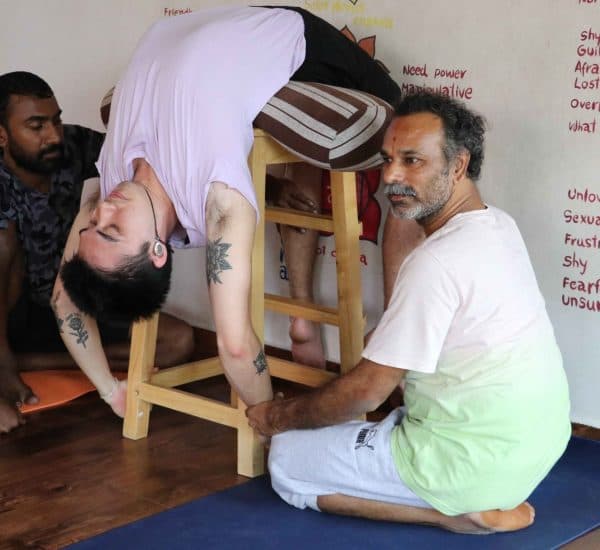
500-Hour Yoga Teacher Training Course, Mysore
karnataka
60D
About this experience
The 500-Hour Yoga Teacher Training Course (master-level certification) at Yoga with Srinatha in Mysore, India, is a comprehensive program designed to help you become a masterful teacher while deepening your knowledge and practice. This course combines both the 200-hour and 300-hour modules, offering a holistic approach to advanced yoga education.
At Yoga with Srinatha, you will be encouraged to develop your unique and creative teaching style while honoring the sacred wisdom of traditional yoga. As B.K.S. Iyengar beautifully stated, "Yoga is light, which once lit will never dim. The better your practice, the brighter the flame."
This course includes a variety of advanced topics such as Functional Anatomy, Adjustment and Alignment lectures, Yoga Philosophy, Ayurveda, Pranayama, Ashtanga Yoga (Primary and Intermediate Series), Hatha Yoga (Beginner and Advanced Sequences), and Meditation—all designed to help you discover and connect with your inner nature.
Day-by-Day Itinerary
2
DAILY SCHEDULE:
• 5:30 - 7:00 AM: Ashtanga Intermediate / Kriya + Ashtanga Primary
• 7:30 - 8:30 AM: Medical Pranayama
• 9:00 - 10:00 AM: Breakfast
• 10:00 - 11:00 AM: Anatomy / Therapeutic Ayurveda
• 11:00 - 12:00 PM: Yoga Philosophy
• 12:30 - 2:30 PM: Methodology
• 2:30 - 3:30 PM: Lunch
• 4:30 - 5:30 PM: Meditation
• 5:45 - 7:15 PM: Hatha Masterclass
• 7:15 - 8:15 PM: Pathophysiology & IAYT
NOTE: The schedule may be adjusted depending on the situation.
Overview
Ashtanga Yoga
The Ashtanga Yoga Primary and Intermediate Series sequence, developed by K. Pattabhi Jois, forms a key part of the 500-Hour Yoga Teacher Training course. We provide a strong foundation in Ashtanga Yoga and guide students through the complete series in a systematic way, helping them build the confidence to practice and teach Ashtanga Yoga classes. The course covers the Primary Series, Intermediate Series, Sun Salutations A & B, standing and seated sequences, finishing postures, Mysore-style Ashtanga Yoga, and how to practice Asana using the Iyengar method (including the use of props). Teaching practice is a crucial part of this course, preparing students to lead classes effectively.
• Hatha Yoga
Hatha Yoga is a powerful tool for self-transformation. It is a branch of yoga that offers an all-around approach to both body and mind. The 500-Hour Yoga Teacher Training course serves as a comprehensive guide to improving your postures and deepening your knowledge. You will learn how to lock the bandhas and understand how they work in each asana, how to activate your panchaprana (five vital energies), and work with the chakras. Students will also be taught how to perform Sun Salutations, standing and balancing postures, prone postures, supine postures, backbends, and inversions with correct alignment and awareness.
• Pranayama
Pranayama is a subtle process through which one can gain control over their inner energies. In this course, students will learn how to bring prana (life force) under conscious control, which allows freedom from physical and mental limitations. You will practice various pranayama methods to bring prana to every part of the brain, improving mental balance and stability.
• Ayurveda
According to Ayurveda, the physiology and anatomy of the human body are based on Doshas (humors), Dhatus (tissues), and Malas (wastes). These three principles are the foundation of human anatomy and support all of life. Tridoshas refer to the three doshas of the physical energies or humors. In this course, you will learn how to balance your dosha, understand which yoga asanas are best suited for your body type, balance your diet, and discover Ayurvedic cooking remedies for common health conditions.
• Meditation
Meditation awakens the state of being yourself. It is a practice that helps you achieve your goals and connect with your true self. In our busy lives, we are often bombarded with external influences, and meditation helps us check in with our inner being. Students at Yoga with Srinatha are guided in various types of meditation, teaching you how to gain a new perspective on stressful situations, improve self-awareness, balance emotions, and cultivate mindfulness, creativity, patience, and tolerance.
• Yoga Anatomy
Yoga Anatomy is a crucial component of teaching asanas effectively and safely. By learning about the structure and movements of the body, you will gain insight into how to adjust, align, and understand the anatomical benefits of each posture. This 500-Hour Yoga Teacher Training course will help you understand how anatomy works in each asana, how to adapt your practice based on your body type and limitations, and how to support students dealing with physical issues or injuries.
• Yoga Philosophy
Yoga Philosophy helps you connect with the world around you and transcend suffering by balancing your emotional and spiritual state of being. This course includes detailed insights into Vedanta and a comprehensive study of Patanjali's Yoga Sutras. You will explore all four chapters of the Yoga Sutras—Samadhi Pada, Sadhana Pada, Vibhuti Pada, and Kaivalya Pada—and gain a deeper understanding of the Upanishads, the theory of Nadis (energy channels), and Chakras.
What's included
1. Food and Accomodation (If opted with pricing)
2. Course Material
3. Certification
Additional information
Duration:60D
₹1,50,000per person
Book with ₹10,000
Upcoming Dates
Free cancellation
Reserve now, pay later
Instant confirmation
You won't be charged yet